
Some puzzles are solved by knowledge. Others by logic.
A zen riddles crossword sits in a different category—it blends meditation, philosophy, language, and mental challenge.
These clues often appear in crossword puzzles, puzzle books, and brain teaser apps, and they’re especially interesting because the answer may rely on spiritual concepts rather than ordinary definitions.
In 2026, interest in mindful puzzles has grown alongside wellness trends.
People are searching for zen riddles, koans, and crossword clues not just to finish a puzzle, but to challenge how they think.
This guide explains what zen riddles are, why they appear in crosswords, common clue patterns, and 50 popular zen-style riddle clues with answers.
What Is a Zen Riddle?
A zen riddle is often called a koan—a paradoxical question or statement used in Zen Buddhism to encourage deep thought rather than a simple answer.
A crossword clue based on a zen riddle may use spiritual words, paradoxes, or abstract meanings.
Simple definition:
A zen riddle is a philosophical puzzle meant to expand awareness rather than provide straightforward logic.
Common themes:
🧘 Silence and mindfulness 🧘
🌿 Enlightenment 🌿
🔄 Paradox 🔄
🌀 Nonlinear thinking 🌀
💭 Inner reflection 💭
What Does “Zen Riddles Crossword” Mean?
The phrase usually refers to:
🔍 Crossword clues related to zen concepts 🔍
📚 Puzzle answers involving koans 📚
🧠 Brain teasers with spiritual twists 🧠
🎯 Word clues tied to meditation 🎯
Users often search it after seeing clues like:
“Zen riddle”
“Buddhist puzzle”
“Meditative paradox”
“Koan answer”
What Is a Koan?
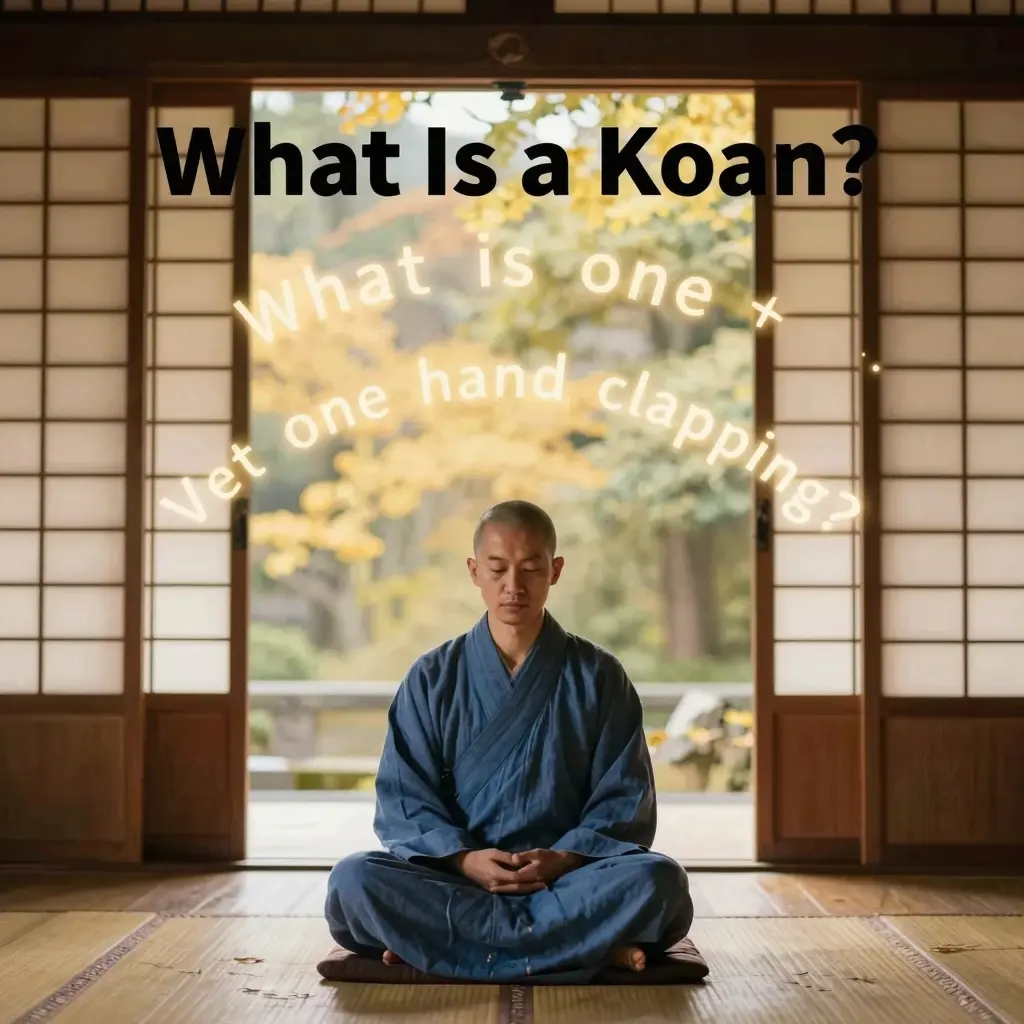
A koan is a traditional Zen teaching question that has no ordinary logical solution.
Famous example:
What is the sound of one hand clapping?
That question isn’t meant to have a literal answer. It’s designed to move your thinking beyond logic.
The concept comes from Zen Buddhism.
Why Zen Crosswords Are Popular in 2026
Modern puzzle lovers enjoy challenges that combine language and philosophy.
Reasons:
📱 Puzzle apps increased niche clues 📱
🧠 Brain wellness trend 🧠
🌿 Mindfulness culture 🌿
📚 Crossword communities online 📚
🎯 Unique clue style 🎯
Why Zen Riddles Improve Thinking
They encourage:
🧠 Abstract thinking 🧠
💭 Reflection 💭
🔄 Pattern breaking 🔄
⚡ Creativity ⚡
🌌 Perspective shifts 🌌
Unlike ordinary riddles, zen riddles can have symbolic answers.
Common Zen Crossword Clue Answers
Frequently seen answers:
🌿 KOAN 🌿
🧘 ZEN 🧘
🌙 OM 🌙
📿 SUTRA 📿
☯️ TAO ☯️
🕊️ PEACE 🕊️
🌌 VOID 🌌
🌱 MIND 🌱
🌊 STILLNESS 🌊
💭 SILENCE 💭
Top 50 Zen Riddles Crossword Clues and Answers
Spiritual Concepts
🌿 Zen riddle — KOAN 🌿
🧘 Meditative state — TRANCE 🧘
🌌 Emptiness — VOID 🌌
💭 Inner peace — CALM 💭
🌱 Buddhist path — TAO 🌱
Classic Koan Style
👏 Sound of one hand — KOAN 👏
🪞 Reflection without mirror — SELF 🪞
🌙 Moon in water — ILLUSION 🌙
🌊 River without movement — STILLNESS 🌊
🌫️ Formless truth — VOID 🌫️
Crossword Favorites
📚 Zen clue answer — KOAN 📚
🧠 Buddhist puzzle — KOAN 🧠
🎯 Spiritual paradox — KOAN 🎯
📖 Sacred teaching — SUTRA 📖
☯️ Balance symbol — YINYANG ☯️
Easy Ones
🌿 Peaceful state — ZEN 🌿
🪷 Sacred chant — OM 🪷
💭 Quiet thought — MUSE 💭
🌱 Center self — SOUL 🌱
🌞 Inner awareness — MIND 🌞
Harder Clues
🔍 Meaningless but meaningful — KOAN 🔍
🌫️ Invisible presence — VOID 🌫️
🧘 Awareness beyond thought — ENLIGHTENMENT 🧘
🎭 Answer beyond words — SILENCE 🎭
🌊 Still moving water — STREAM 🌊
Short Answers
📿 Temple teacher — MONK 📿
🌙 Peaceful chant — OM 🌙
🪞 Hidden truth — EGO 🪞
🌿 Nature balance — TAO 🌿
🌱 Breath focus — PRANA 🌱
Deep Thought
💭 Who am I — SELF 💭
🌌 What remains — NOTHING 🌌
🌀 Where begins end — CIRCLE 🌀
🎯 Without beginning — INFINITY 🎯
🌫️ Before thought — SILENCE 🌫️
Fun Zen
🐸 Frog on leaf — PEACE 🐸
🍃 Wind unseen — AIR 🍃
🪨 Stone teaching — STILLNESS 🪨
🎋 Bamboo lesson — FLEXIBILITY 🎋
🌧️ Rain wisdom — CHANGE 🌧️
Crossword Challenge
📚 Zen puzzle clue — KOAN 📚
🧘 Enlightenment path — DHARMA 🧘
🌿 Inner truth — SELF 🌿
💭 Spiritual answer — PEACE 💭
🌌 Empty awareness — VOID 🌌
Bonus
🌙 Silent bell — MIND 🌙
🪷 Lotus wisdom — ZEN 🪷
🎭 No answer answer — KOAN 🎭
🌊 Calm sea — STILLNESS 🌊
☁️ Hidden sky — TRUTH ☁️
How to Solve Zen Crossword Clues
Best approach:
🔎 Think symbolically 🔎
🧠 Ignore literal meanings 🧠
📚 Consider Buddhism terms 📚
🎯 Short common answers first 🎯
💭 Look for paradox 💭
Why Koan Is the Most Common Answer
The word KOAN appears often because it directly means a Zen paradox or riddle.
It’s common because:
📏 Short crossword length 📏
🧠 Specific clue match 🧠
📚 Recognized term 📚
🎯 Popular puzzle word 🎯
Zen Riddles vs Normal Riddles
Differences:
🔄 Zen = symbolic 🔄
🎯 Standard = direct 🎯
🧠 Zen = reflective 🧠
📚 Standard = logical 📚
Why Crossword Fans Love Them
They add:
🌟 Variety 🌟
🧠 Challenge 🧠
📚 Learning 📚
🎭 Mystery 🎭
Best Sources for Zen Puzzle Practice
Try:
📱 crossword apps 📱
📚 philosophy books 📚
📰 daily newspapers 📰
🧩 puzzle sites 🧩
Challenge Your Friends
Captions:
🧠 Can you solve this zen clue? 🧠
🌿 Only mindful thinkers get this 🌿
🎯 Hardest crossword clue today 🎯
💭 Think beyond logic 💭
FAQs:
1: What is a zen riddle crossword clue?
A: It usually refers to a crossword clue whose answer is related to Zen philosophy or koans.
2: What is the most common answer?
A: The most common answer is KOAN.
3: What is a koan?
A: A koan is a Zen paradox meant to trigger insight.
4: Are zen riddles hard?
A: Yes, because they often rely on symbolic thinking.
5: Are they used in major crossword puzzles?
A: Yes, many newspaper puzzles include them.
6: Is zen connected to Buddhism?
A: Yes, it comes from Zen Buddhism.
7: Why are they popular now?
A: Mindfulness trends made them popular again
8: Can kids solve them?
A: Simple ones, yes.
9: Are they educational?
A: Yes, they teach language and abstract reasoning.
10: Do they have exact answers?
A: Often, but some remain interpretive.
Conclusion:
Zen riddles crosswords are more than clues—they’re tiny philosophical puzzles hidden in ordinary word games.
That’s why they remain fascinating in 2026.
You may solve the crossword.
But sometimes, the clue solves you.

Sophia Reynolds creates high-engagement riddle articles, trivia games, and viral social media puzzle content. With a strong background in digital publishing and audience psychology, she focuses on creating entertaining content that keeps users engaged and encourages social sharing. Her writing style is fun, modern, and reader-focused.